Call us now :08045812064
 Send Inquiry
 Send Inquiry
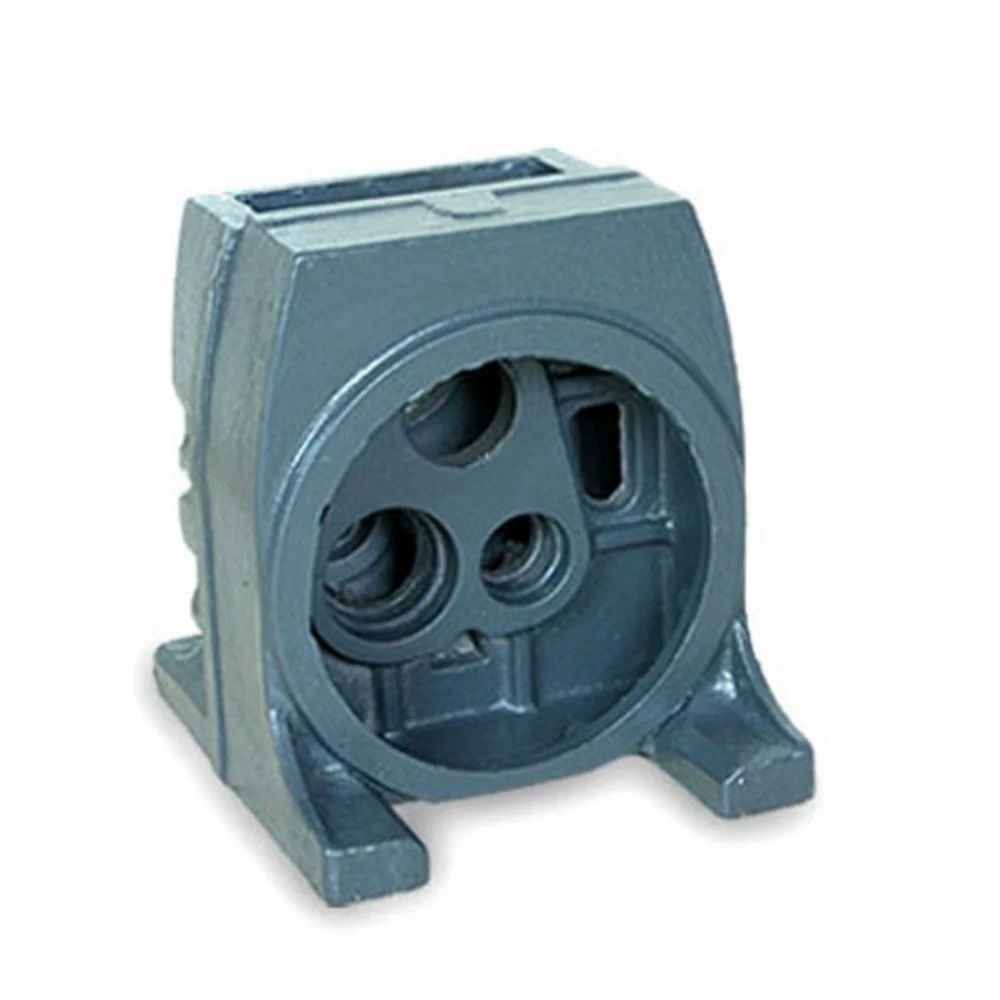
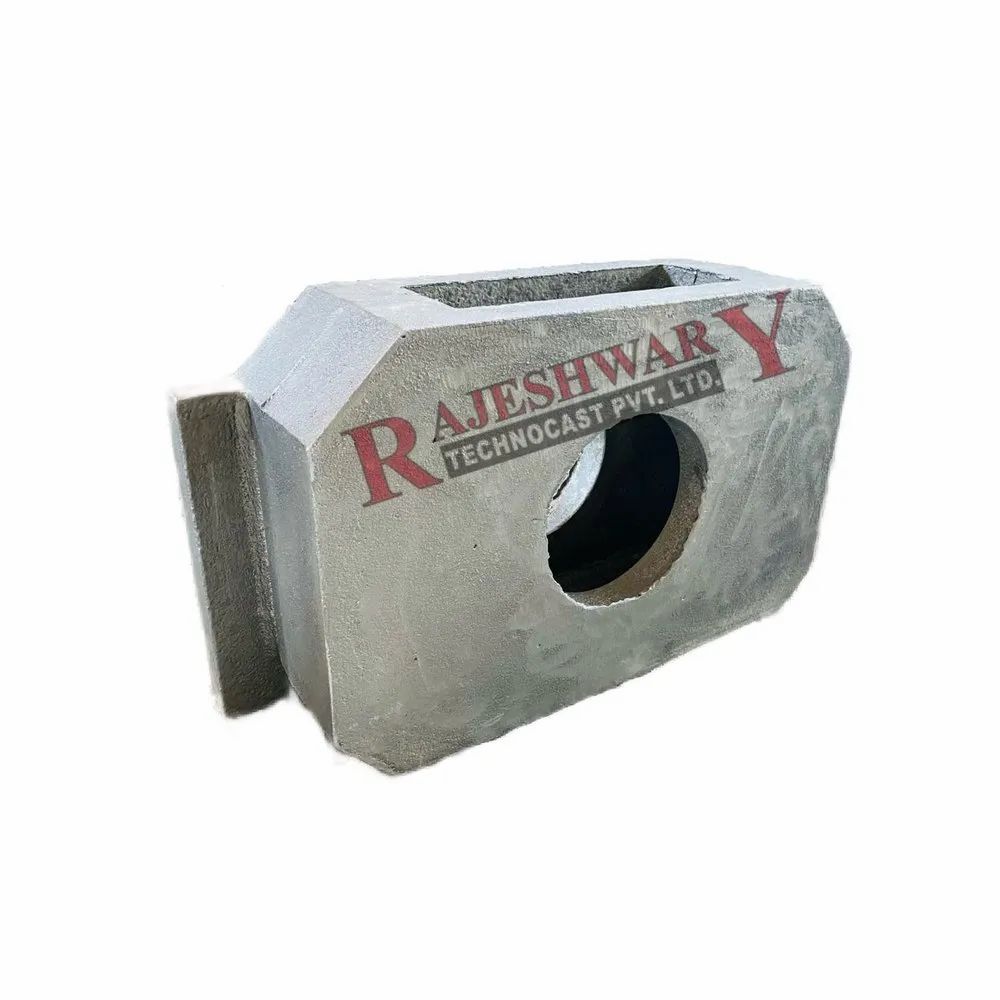
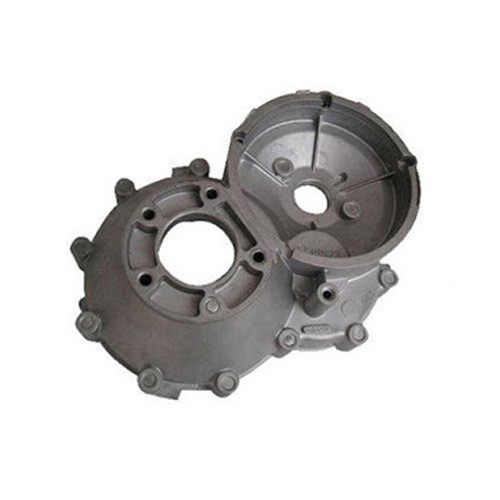
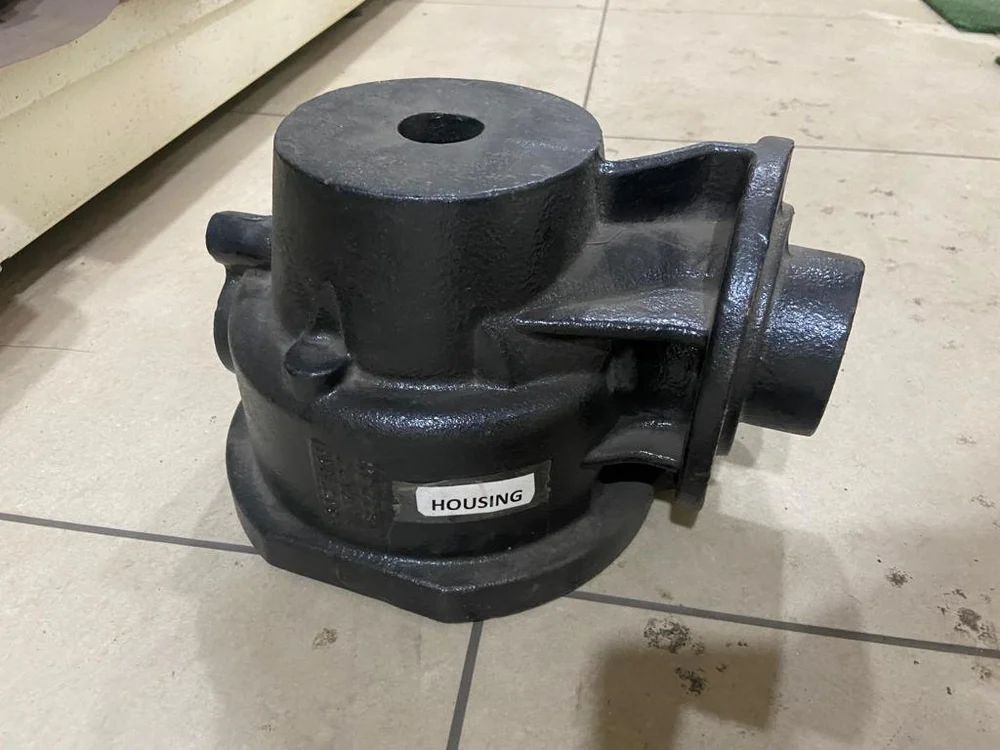
Gearbox Casting
Price 24 INR/ Piece
MOQ : 20 Pieces
Gearbox Casting Trade Information
- Minimum Order Quantity
- 20 Pieces
- Payment Terms
- Cash in Advance (CID)
- Supply Ability
- 1 Piece Per Week
- Delivery Time
- 1 Week
- Sample Policy
- Contact us for information regarding our sample policy
- Packaging Details
- box
- Main Export Market(s)
- Asia
- Main Domestic Market
- All India
About Gearbox Casting
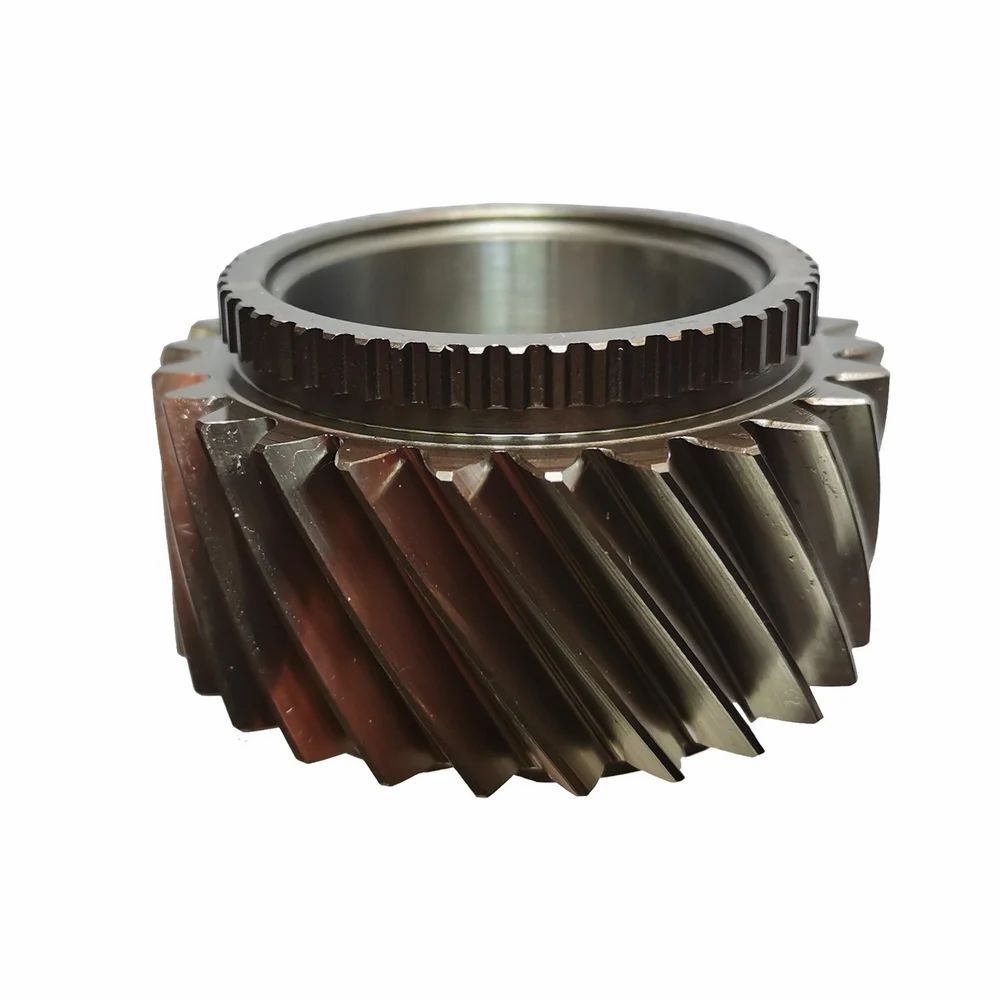
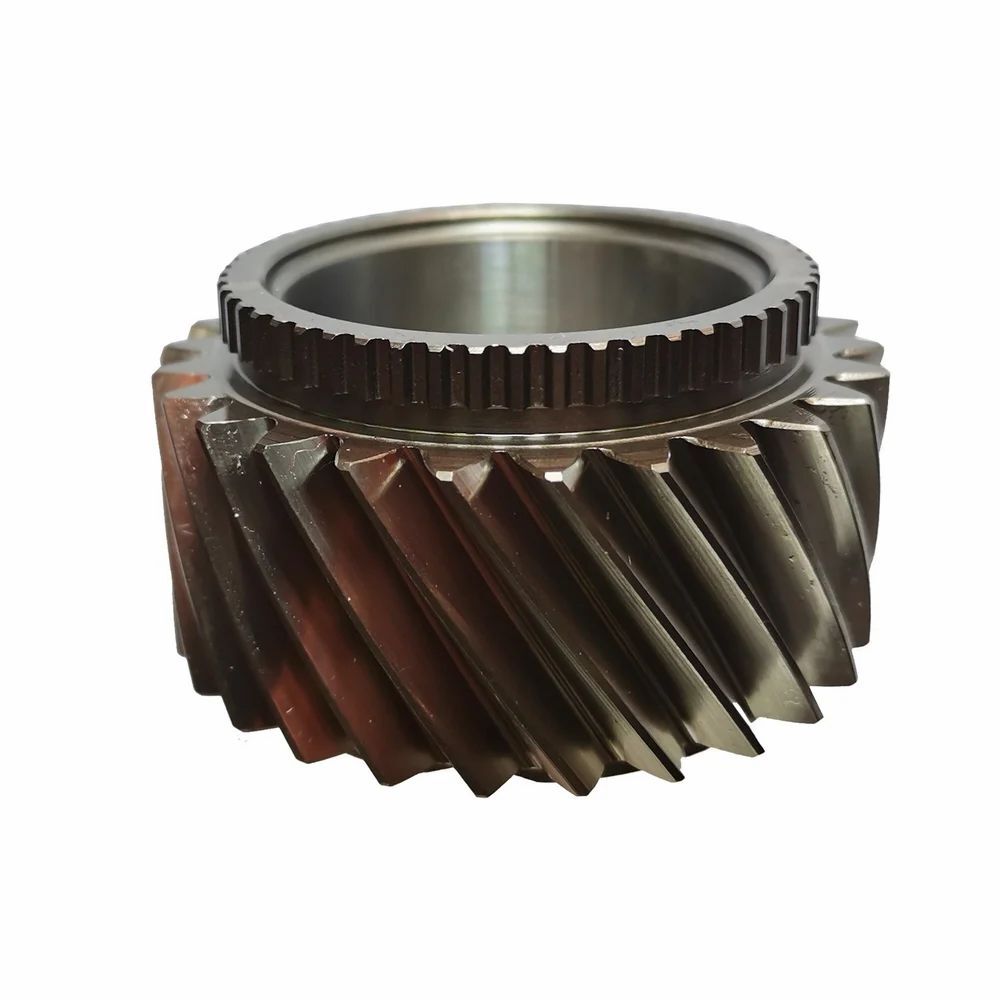
Customers can easily design a gear box by the means of this Gear Box Casting to increase torque and to reduce output shaft speed. Molten metal is poured into this casting by applying mechanical methods to attain perfect design. It is made up of non-ferrous metal under the stringent observation of skilled professionals. To ensure easy fitting to the rear end of the engine, this casting comes with high dimensional uniformity and impeccable shape. This casting is reckoned among customers for its high temperature bearing capability, excellent shielding and incredible strength. You can carry out direct injection and pore-free die casting methods to mold gear box in this Gear Box Casting.
- Product Gear Box (A) Code G.D./LM6/0
- Material: LM6
- Weight 3.25 kgs. 7.174 lbs.
- Length Min. 249.4 mm 11.0 ins.
- Width Max. 127.0 mm 5.0 ins.
- Height 203.2 mm 8.0 ins.
- Gearbox casting refers to the process of creating a housing or casing for a gearbox, which is a critical component in mechanical systems. Here's a detailed overview:
- Key Features
- Durable and Strong: Gearbox castings are designed to provide a robust and durable housing for the gearbox, withstanding heavy loads and stresses.
- Precision Machining: The casting process involves precision machining to ensure accurate dimensions and smooth surfaces.
- Material Selection: Gearbox castings can be made from various materials, such as cast iron, aluminum, or steel, depending on the application and requirements.
- Applications
- Industrial Gearboxes: Gearbox castings are used in industrial gearboxes for various applications, such as manufacturing, mining, and construction.
- Automotive Gearboxes: Gearbox castings are used in automotive gearboxes for cars, trucks, and other vehicles.
- Aerospace Gearboxes: Gearbox castings are used in aerospace gearboxes for aircraft and spacecraft.
- Benefits
- Improved Performance: Gearbox castings provide a strong and durable housing, ensuring smooth operation and improved performance.
- Increased Reliability: The robust design and construction of gearbox castings reduce the risk of failure and increase reliability.
- Customization: Gearbox castings can be designed and manufactured to meet specific requirements and applications.
- Considerations
- Material Selection: The choice of material for gearbox casting depends on the application, load requirements, and environmental factors.
- Design and Engineering: The design and engineering of gearbox castings require careful consideration of factors such as stress, load, and thermal management.
- Quality Control: Strict quality control measures are essential to ensure the accuracy and reliability of gearbox castings
Tell us about your requirement

Price:
Quantity
Select Unit
- 50
- 100
- 200
- 250
- 500
- 1000+
Additional detail
Mobile number
Email


 Send Inquiry
Our Products


158, DLF Industrial Area, Phase-I, Sector -32, Near B. K. B. Company, Faridabad - 121003, Haryana, India

Mr. Rameez Hussain
(Proprietor)
Mobile :08045812064
 Send Inquiry
 Send SMS
Developed and Managed by Infocom Network Private Limited.


